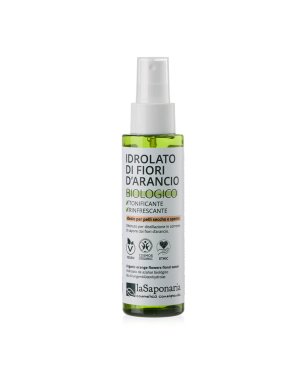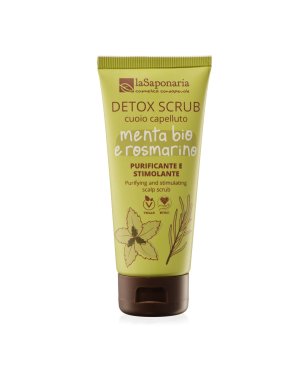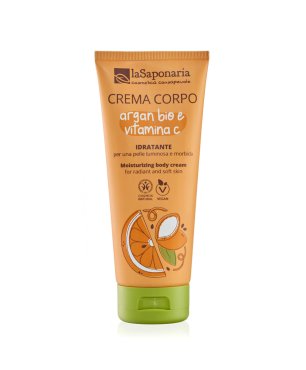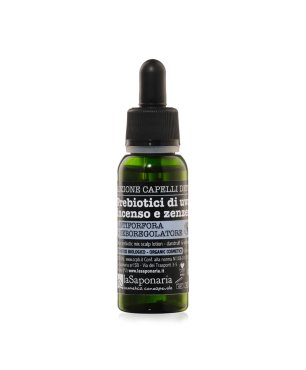













Menu

Innovative, effective organic cosmetics made with vegan ingredients, from a fair supply chain

Skin type:

view all

Hair type:

view all

We have collaborated and created agricultural sustainability projects in the area with small artisans and farms that take care of our world and provide us with the precious raw materials that make our recipes special.

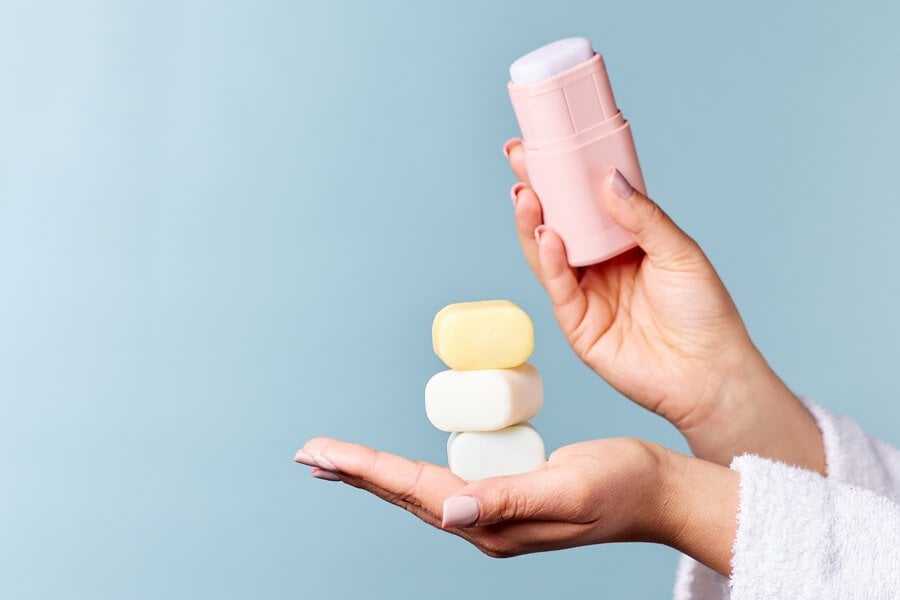
We have a dream: to eliminate the use of virgin plastic. For this, we formulate solid cosmetics and use alternative materials such as glass, cardboard, aluminum and recycled plastic.

The wonderful ingredients we choose have a story to tell and are the result of great and accurate research

Resellers

Are you looking for the reseller closest to you? 

Find a reseller

Private label

Would you like to produce an organic cosmetic line with your own brand? 

Find out how

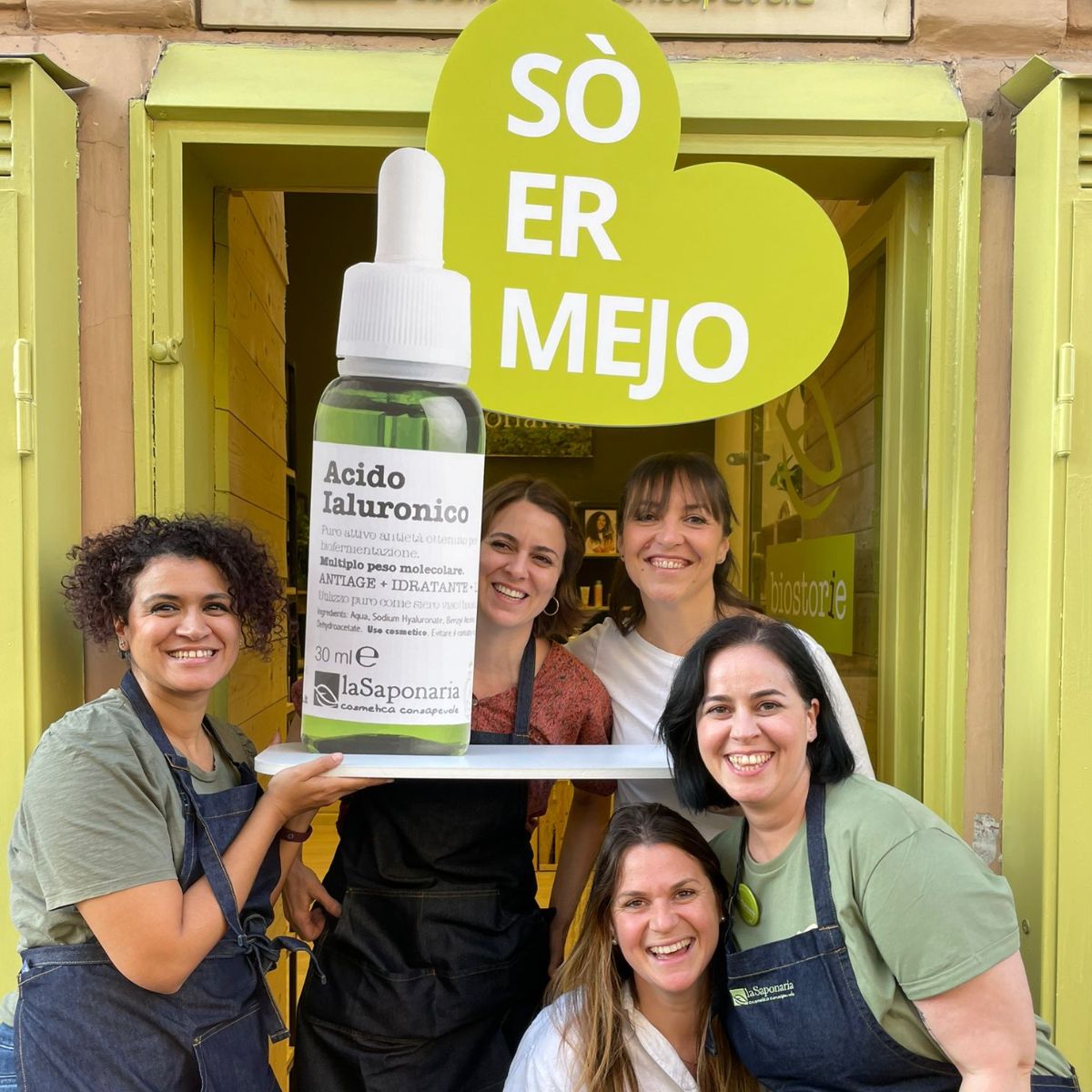
Biostorie

Open a new La Saponaria flagship store: here's how

Read all
Plastica Barrata
57.721 kg

of plastic saved in 2023

Ciminiera Barrata
214.722 kg

of CO2 saved in 2023

Ethical
94 %

of green packaging in 2022

Albero
360 °

our commitment to the environment

Recipes

Bioteca: useful resources from our (eco) world

No-mosquito scented candle

recipes

No-mosquito scented candle

Here's a super easy recipe to create a scented candle that will keep mosquitos away from your summer evenings! The secret ingredient of the recipe is the essential oil mix "Natural Defence"!
No-mosquito home fragrance

recipes

No-mosquito home fragrance

Don't let annoying buzzes and unpleasant pinches ruin your summer evenings! You can try and fix this by making a very simple and natural home perfumer! All you need is the "Natural Defence" new essential oils mix and a few more ingredients, and you're done!
The Best Intimate Cleanser for Every Stage of Life: Advice from Gynecologist Monica Calcagni

blog

The Best Intimate Cleanser for Every Stage of Life: Advice from Gynecologist Monica Calcagni

Intimate health deserves care and attention at every stage of life. One of the most common questions is how to choose a cleanser that truly protects delicate tissues without disrupting their natural balance. To offer clear, scientifically grounded guidance, we spoke with gynecologist Monica Calcagni, who explains what an ideal intimate cleanser should look like depending on age and physiological condition. In this article, she shares practical advice, medical insights, and targeted recommendations to help everyone choose the most suitable product. Intimate health is not a single, static topic—it’s a journey that evolves throughout our lives, from childhood to adulthood and through major hormonal changes. Choosing the right intimate cleanser is not a minor detail to leave to chance or marketing trends; it’s one of the simplest daily tools we have for prevention and care. The vagina, vulva, and intimate mucous membranes are dynamic ecosystems that change naturally with age, sex, hormonal balance, and life stages such as puberty, pregnancy, postpartum recovery, and menopause. Even the intimate skin of children and men has its own characteristics and requires appropriately formulated products. In this article, I’ll guide you through choosing the most suitable intimate cleanser for pregnancy, postpartum recovery, adolescence, children, women, and men. I’ll also explain the key features each product should have and why, within the La Saponaria Intimate Care Line, we have developed different formulas designed to meet the specific needs of various ages and physiological conditions. Here’s what you’ll find in this article:   Understanding pH and Microbiota: The Foundation of the Right Choice The Best Intimate Cleanser During Pregnancy The Best Intimate Cleanser After Childbirth: Protecting a Fragile Mucosa The Best Intimate Cleanser for Adolescence: Supporting a Time of Change The Best Intimate Cleanser for Children: Gentleness Above All The Best Intimate Cleanser for Women: Gentle, Daily Care That Respects Balance The Best Intimate Cleanser for Men: An Often Overlooked Choice Conclusion: One Product for Every Stage, Ongoing Care Understanding pH and Microbiota: The Foundation of the Right Choice Before looking at the different stages of life in detail, it’s important to remember that the intimate area has a natural pH that changes over time. For example: In children, the pH tends to be more neutral, around 6. During adolescence and throughout the fertile years, it becomes more acidic, typically between 3.5 and 4.5, thanks to the action of estrogen and the presence of lactobacilli. During pregnancy, the pH remains similar to that of the fertile years, although the mucous membranes become more sensitive. In the postpartum period, the area may be more vulnerable and prone to irritation. During menopause, the pH rises again, moving closer to 6. In men, the pH of the genital area is naturally closer to that of the skin, and therefore more neutral. A good intimate cleanser should respect this pH balance and help support the microbiota, protecting the mucous membranes while helping to prevent irritation and dryness. For this reason, the La Saponaria Intimate Care Line includes cleansers formulated with different pH levels and targeted ingredients, designed to accompany each person through the various physiological stages of life. The Best Intimate Cleanser During Pregnancy Pregnancy is a time when everything changes: the body, hormone balance, and the sensitivity of both skin and mucous membranes. Higher estrogen levels often lead to increased secretions and a more active flora, but at the same time the mucosa can become more delicate and reactive. During pregnancy, it’s essential to choose an extremely gentle intimate cleanser that respects the physiological pH and avoids potentially irritating ingredients. At this stage, I often recommend products containing soothing and hydrating active ingredients, which can protect the mucosa without disrupting the vaginal balance. One product I find particularly suitable during pregnancy is the Burdock & Calendula Intimate Cleanser, pH 4.5. Its delicate formula and the presence of organic ingredients with calming and protective properties make it especially appropriate for expectant mothers. Burdock and calendula are well known for their soothing effects, while aloe vera hydrates and refreshes without being harsh. Extra virgin olive oil adds a nourishing element that brings comfort to sensitive areas. I also advise my patients not to overdo washing: twice a day is usually enough, with the option of rinsing with plain water if you feel the need for extra freshness. It’s equally important to avoid cleansers that are overly perfumed or too aggressive. Ultimately, the best intimate cleanser during pregnancy is one that respects the natural physiology of the mucosa and does not disrupt the vaginal flora—and Burdock & Calendula meets these needs perfectly. The Best Intimate Cleanser After Childbirth: Protecting a Fragile Mucosa The postpartum period is one of the most delicate phases in a woman’s life. After giving birth, the perineal area can feel sore, irritated, and particularly sensitive. It’s common for small physiological lesions or stitches to be present, making everyday hygiene more uncomfortable. During this time, the mucosa is especially vulnerable, and cleansing with unsuitable products can easily lead to burning or further irritation. For this reason, I recommend using a cleanser specifically formulated to support the mucosa when sensitivity is at its highest. One particularly suitable option is the Protective Intimate Cleanser – Organic Green Tea & Hyaluronic Acid. With its pH of 3.5 and a blend of soothing and hydrating active ingredients, it helps the skin regain comfort and protection. Hyaluronic acid supports hydration and tissue regeneration, while aloe and witch hazel help reduce burning sensations and provide immediate relief. Green tea, known for its refreshing and antioxidant properties, completes the calming action of the formula. This is an extremely gentle cleanser, ideal for supporting the body during postpartum recovery and helping to ease discomfort related to irritation, dryness, or friction—while ensuring cleansing remains both respectful and comfortable. The Best Intimate Cleanser for Adolescence: Supporting a Time of Change Adolescence is a phase when everything begins to change: the body, hormone levels, self-awareness, and the physiology of the intimate area as well. With the rise of estrogen, the pH becomes more acidic and lactobacilli appear—microorganisms that play a key role in protecting the mucosa. During this transition, however, it’s common to experience minor discomfort, stronger odors, or a greater sense of sensitivity. At this stage, introducing proper intimate hygiene habits is very important. One of the most common mistakes is washing too frequently, often with products that are heavily perfumed, brightly colored, or marketed as “antibacterial.” These can easily irritate the delicate mucosa instead of supporting its natural balance. The cleanser I consider particularly suitable during adolescence is the Aloe & Lavender Rehydratable Powder Intimate Cleanser. It combines gentleness, sustainability, and a composition that works well for those who are just starting to become familiar with caring for their bodies. It has a pH between 4.5 and 5, ideal for this transitional stage, and contains soothing ingredients such as lavender and rice starch, along with aloe and hyaluronic acid to help maintain hydration and comfort. It’s also an environmentally conscious choice, something many younger generations appreciate. Preparing the cleanser with water and reusing the bottle is a small but meaningful way to encourage more sustainable habits. As a gynecologist, I also recommend that teenagers keep a few simple principles in mind: Avoid washing too often—once a day is generally enough. Steer clear of intimate deodorants, scented wipes, and overly foaming cleansers. An intimate cleanser for adolescence should act as a supportive ally, not an additional source of irritation—and Aloe & Lavender meets that need perfectly. The Best Intimate Cleanser for Children: Gentleness Above All Children’s skin is naturally thinner and has a more neutral pH. This means that both cleansing and any products used need to be extremely gentle in order to avoid disturbing its natural balance. For younger children, an ideal option is the Prebiotics & Cornflower Intimate Mousse, formulated with a pH of 6 and designed specifically for the years from age 3 through pre-puberty. Its soft mousse texture makes it very easy to use—perfect for teaching children proper intimate hygiene while remaining gentle on the mucosa. Extracts of cornflower, chamomile, mallow, and oat are well known for their soothing and calming properties, while prebiotics help support a healthy and balanced skin microbiota. Parents often ask me whether children really need a dedicated intimate cleanser. My answer is yes—but only very gentle formulas, and ideally just once a day, while plain water is usually enough at other times. An intimate cleanser for children should never contain strong fragrances, harsh surfactants, or formulas that are too acidic, as these could easily disrupt the natural balance of such delicate skin. The Best Intimate Cleanser for Women: Gentle, Daily Care That Respects Balance Women of reproductive age have specific needs influenced by estrogen levels, the menstrual cycle, sexual activity, and periods of stress that can affect the balance of the vaginal flora. For daily cleansing, one of the most suitable options remains the Burdock & Calendula Intimate Cleanser, which I consider a true all-round product for women. Its pH of 4.5 is ideal during the fertile years, and its simple, natural, well-balanced formula makes it suitable for everyday use without increasing the risk of irritation. The presence of aloe, calendula, and burdock offers a good balance between cleansing and protection, making it an excellent intimate cleanser for women. For those looking for a more sustainable option, or for people with particularly sensitive skin, the Aloe & Lavender Powder Intimate Cleanser can also be a great alternative. Its gentle, minimalist formulation makes it especially appealing for women who prefer simple, skin-friendly ingredients. I often remind my patients that, even in the absence of symptoms, it’s important to avoid overly aggressive or highly foaming products, internal deodorants, or unnecessary antibacterial cleansers. The vagina is a self-cleaning organ, and cleansing should act as a form of support—not interference. The Best Intimate Cleanser for Men: An Often Overlooked Choice Let’s now talk about men, who are often left out of conversations about intimate hygiene. Many assume that a regular body wash is enough, but in reality the skin in the male genital area can easily become irritated by harsh surfactants, strong fragrances, or products that are not specifically designed for this purpose. The best intimate cleanser for men is a gentle product with a slightly acidic or neutral pH, formulated with ingredients that help keep the skin soft and protected. The Burdock & Calendula Intimate Cleanser is also an excellent option for men, thanks to its mild formula and its ability to cleanse without drying the skin. The presence of aloe and extra virgin olive oil helps prevent redness and irritation, which are quite common among athletes or people who wear tight clothing for long periods. For men with particularly sensitive skin or those prone to irritation, I sometimes suggest the Prebiotics & Cornflower Mousse, which has an even milder formula. Although it isn’t specifically designed for men, it can be very helpful for sensitive areas thanks to its pH of 6 and its soothing active ingredients. Male intimate hygiene should never be overlooked—not only for daily comfort, but also for the well-being of a partner, as irritation or dryness can increase the likelihood of small lesions during intercourse. Conclusion: One Product for Every Stage, Ongoing Care Intimate cleansing is not just another daily habit—it’s the first step toward care and prevention. Every stage of life, and every person, requires a slightly different approach because the body evolves, the mucous membranes change, and pH levels shift over time. With the La Saponaria Intimate Care Line, our goal was to create products that genuinely respect these differences: the best intimate cleanser for pregnancy and everyday feminine care is Burdock & Calendula, gentle and soothing; for the postpartum period, when there are no specific irritations, Burdock & Calendula remains an excellent choice thanks to the calming properties of calendula and the soothing action of aloe; during adolescence, the Aloe & Lavender Powder Intimate Cleanser offers a delicate and sustainable option; the ideal cleanser for children is the Prebiotics & Cornflower Intimate Mousse, incredibly soft and respectful of delicate young skin; for women of reproductive age, Burdock & Calendula again proves to be a balanced and naturally gentle choice; for men, a mild cleanser such as Burdock & Calendula is recommended for daily hygiene without irritating the skin. As a gynecologist, my advice is always to listen to your body. A good intimate cleanser should never cause burning, dryness, or a tight, uncomfortable feeling. The intimate area deserves respect, gentleness, and carefully formulated products—this is the key to ensuring long-term well-being and effective prevention.  
Curly hair: a complete guide to a simple, conscious routine

blog

Curly hair: a complete guide to a simple, conscious routine

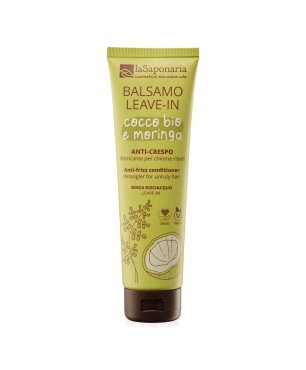
Curly hair isn’t “difficult” — it’s intelligent. It follows its own logic, moves to its own rhythm, and carries its own memory. Once you learn to truly listen to it, it stops feeling like a mystery and becomes a pure expression of personality. In this guide, we’ll explore how to care for your curls in a way that feels simple, natural, and intentional — building a routine that works with your hair, not against it.  Here’s what you’ll find in this article:  Understanding your curls: the first act of love Curl types: from soft waves to tight coils The elasticity test: how resilient are your curls?  The porosity test: do they absorb or resist? The origins of curls: biology, climate, and culture Our recommended curly hair routine 1. Gentle cleansing (even frequently) Organic Extra Virgin Shampoo 2. Anti-frizz hydration boost (1–2 times a week) Anti-Frizz Hair Mask 3. Daily nourishment and protection Anti-Frizz Leave-In Conditioner 4. Natural Definition and Styling Curl Defining Cream  The Techniques that make the difference: Plopping & Scrunching Drying: Air or Diffuser? Refreshing curls on the days after Ingredients that love curly hair Aloe Vera: the water magnet Oat Extract: gentle comfort and protection  Flax Seeds: natural definition Plant Oils: nourish and seal In conclusion… Understanding your curls: the first act of love  Before we talk about products or techniques, there’s one essential question to answer: what kind of curl do you have? Not all curls are the same, and treating them as if they were is the first mistake that leads to frizz, dryness, and spirals that fall flat after just a few hours. Curl types: from soft waves to tight coils The most common classification divides curls into three main families: Wavy (2A, 2B, 2C): waves that range from loose and subtle to more defined. Curly (3A, 3B, 3C): elastic spirals, from wide loops to tighter corkscrews. Coily (4A, 4B, 4C): very tight, dense curls with a more delicate structure. This isn’t a competition about who has the “perfect” curl. It’s simply a map to help you navigate your routine. The tighter the spiral, the more likely the hair is to feel dry. The reason is both simple and fascinating: the spiral shape makes it difficult for natural sebum to travel from the roots down to the ends. The result? Lengths that are constantly “hungry” for nourishment. That’s why curly hair needs special care — not because it’s demanding, but because of its structure.  The elasticity test: how resilient are your curls?  Take a clean, slightly damp strand and gently stretch it between your fingers. If it stretches and then springs back into shape, your elasticity is excellent. If it snaps immediately, your hair likely needs more hydration. If it stretches too much and stays limp, it may need more strength and structure. Elasticity is the secret behind definition. A healthy curl springs — it doesn’t break. The porosity test: do they absorb or resist? Place a strand of hair in a glass of water. If it floats for a long time, you have low porosity hair — it struggles to absorb moisture. If it sinks immediately, it’s highly porous — it absorbs everything, but loses it just as quickly. Curly hair often falls into the medium-to-high porosity range. This means it thrives on balance: water first, then oils or butters to seal everything in. The origins of curls: biology, climate, and culture Curly hair — especially coily textures — evolved as a natural response to equatorial climates. The spiral structure creates tiny air pockets that help protect the scalp from intense heat and provide a natural barrier against UV rays. It’s not just aesthetics; it’s natural engineering. Over time, different cultures developed specific rituals to care for textured hair: In Sub-Saharan Africa, shea butter and protective braids helped maintain hydration and shield the hair. In India, warm oil treatments with amla, brahmi, or coconut oil became an Ayurvedic ritual to nourish and soothe. In parts of the Middle East, henna and black soap were used to strengthen the fiber. What do these traditions teach us? That curls have always needed added lipids, water, and ritual. Curly hair is an ecosystem — and it thrives on the right balance. Our recommended curly hair routine Here’s the complete routine we recommend for curls that feel elastic, defined, and luminous — crafted with the finest organic ingredients and a mindful approach to haircare. 1. Gentle cleansing (even frequently) Organic Extra Virgin Shampoo The first step is a simple, honest gesture that respects the natural structure of your curls. This certified organic, neutral shampoo cleanses delicately without stressing the hair fiber, thanks to surfactants derived from sugars and fruit. Why it works beautifully for curls: Organic extra virgin olive oil nourishes without weighing hair down Organic flax seed extract helps maintain elasticity Moringa extract shields against environmental stressors Suitable for frequent washing and sensitive scalps How to use: Massage only into the scalp and allow the lather to glide through the lengths. No rubbing needed. 2. Anti-frizz hydration boost (1–2 times a week) Anti-Frizz Hair Mask When curls are thirsty, they need deep replenishment. This mask acts as a true plumping and smoothing treatment. What it does for your curls: Hyaluronic acid hydrates and maintains flexibility Organic aloe, carrot, and sunflower restore softness Fruit-derived AHAs help counteract limescale buildup and dullness A slightly acidic pH seals the cuticles and reduces frizz How to use: Apply to towel-dried lengths, detangle gently with your fingers or a wide-tooth comb, and leave on for at least 5 minutes (longer for a more intensive treatment). 3. Daily nourishment and protection Anti-Frizz Leave-In Conditioner After washing — and even on the days in between — curls need ongoing nourishment and protection. Its key allies: Organic coconut oil for elasticity and softness Organic flax and shea butter to strengthen and smooth Moringa extract to protect and fortify How to use: Apply a small amount to damp or dry lengths, focusing on the ends. It helps keep the cuticles sealed and prevents frizz throughout the day. 4. Natural Definition and Styling  Curl Defining Cream  This is where the magic happens. A lightweight leave-in cream that shapes, smooths, and softly sets curls without any crunchy residue. The active blend: Babassu oil to nourish and discipline Chicory-derived prebiotic to rebalance Aloe and hydrosaccharides for deep hydration Fenugreek (methi) for shine and silkiness How to use: Apply to very wet hair. Distribute using the “praying hands” method, then scrunch gently from the bottom upward. Let your curls air-dry, or use a diffuser on low heat for soft, natural volume. The Techniques that make the difference: Plopping & Scrunching Products matter — but so do your gestures. Scrunching is the simple act of gently squeezing the hair from the ends upward to encourage the curl pattern to form. Do it with your head flipped upside down and your hair still very wet. It’s a small movement, but it helps the spiral remember its shape. Plopping, on the other hand, means wrapping your hair in a cotton T-shirt (never a terry towel). Cotton absorbs excess water without disrupting the curl structure. Just 15–20 minutes is enough to reduce frizz and enhance definition. Drying: Air or Diffuser? Air-drying is always a beautiful option — if you have the time. If not, use a diffuser on low heat and low speed. Keep the dryer relatively still and lift sections of hair upward toward the scalp, rather than blasting them with direct airflow. And most importantly: avoid touching your hair too much while it dries. Curls need stillness to set and stabilize. Refreshing curls on the days after Curly hair rarely loves daily washing. To revive it, lightly mist the lengths with water, apply a small amount of leave-in conditioner, and scrunch gently to reactivate the pattern. If needed, seal the ends with a few drops of a lightweight plant oil. The result? Curls that feel elastic and alive again — without starting your routine from scratch. Ingredients that love curly hair Behind every good routine lies a selection of functional ingredients chosen with intention and care. Aloe Vera: the water magnet Aloe is a natural source of hydration. Its complex sugars help hold water inside the hair fiber, making curls more elastic and springy. A well-hydrated curl is a curl that resists breakage and keeps its vitality.   Oat Extract: gentle comfort and protection  Oat is an exceptional ingredient for delicate and dry hair. Soothing and softening, it helps protect the fiber and improves manageability. For curly hair — which tends to be more fragile — it works like a daily, calming touch. Flax Seeds: natural definition  Flax seeds are widely known for their natural gel properties. They form a lightweight film that defines curl patterns without stiffness. They’re ideal for those who want curls that feel more compact in shape but still soft to the touch. Plant Oils: nourish and seal This is where the essential balance between water and lipids comes into play. Coconut oil is one of the few oils capable of penetrating the hair shaft and binding to keratin, helping reduce protein loss during washing. It acts like an internal reinforcement structure. Shea butter, richer and more structured, works like a protective coat — sealing in hydration and shielding hair from external humidity that can cause frizz. Extra virgin olive oil, the star ingredient in our Organic Extra Virgin Shampoo, adds softness and nourishment while respecting the natural physiology of the hair fiber. In Summary: What Curly Hair Truly Needs Water for elasticity Oils and butters to retain moisture Strengthening ingredients to support the curl structure When these three elements are in balance, curls find their natural harmony. In conclusion… Caring for curly hair isn’t about taming it — it’s about understanding it. It’s a journey built on listening, making small adjustments, and choosing with awareness. With a simple routine, natural ingredients, and the right products, your curls can become your most authentic signature. And no, it’s not magic — it’s knowledge turning into beauty.  
Fill-2

Follow @la_saponaria on Instagram

Not set access token. you can get here access token https://developers.facebook.com/apps/ .

Not set access token. you can get here access token https://developers.facebook.com/apps/ .

Not set access token. you can get here access token https://developers.facebook.com/apps/ .

Not set access token. you can get here access token https://developers.facebook.com/apps/ .

Not set access token. you can get here access token https://developers.facebook.com/apps/ .

Not set access token. you can get here access token https://developers.facebook.com/apps/ .

Not set access token. you can get here access token https://developers.facebook.com/apps/ .

Not set access token. you can get here access token https://developers.facebook.com/apps/ .

Not set access token. you can get here access token https://developers.facebook.com/apps/ .

Not set access token. you can get here access token https://developers.facebook.com/apps/ .

Not set access token. you can get here access token https://developers.facebook.com/apps/ .

Not set access token. you can get here access token https://developers.facebook.com/apps/ .

Not set access token. you can get here access token https://developers.facebook.com/apps/ .

Not set access token. you can get here access token https://developers.facebook.com/apps/ .

Not set access token. you can get here access token https://developers.facebook.com/apps/ .

Not set access token. you can get here access token https://developers.facebook.com/apps/ .

Not set access token. you can get here access token https://developers.facebook.com/apps/ .

Not set access token. you can get here access token https://developers.facebook.com/apps/ .

Not set access token. you can get here access token https://developers.facebook.com/apps/ .

What our customer say

CHIARA

Dignissim tincidunt amet, vitae mauris egestas id. Cursus ut consequat, est venenatis nulla. Placerat faucibus sit mauris nec est.

francesca

Dignissim tincidunt amet, vitae mauris egestas id. Cursus ut consequat, est venenatis nulla. Placerat faucibus sit mauris nec est.

federico

Dignissim tincidunt amet, vitae mauris egestas id. Cursus ut consequat, est venenatis nulla. Placerat faucibus sit mauris nec est.

What our customer say